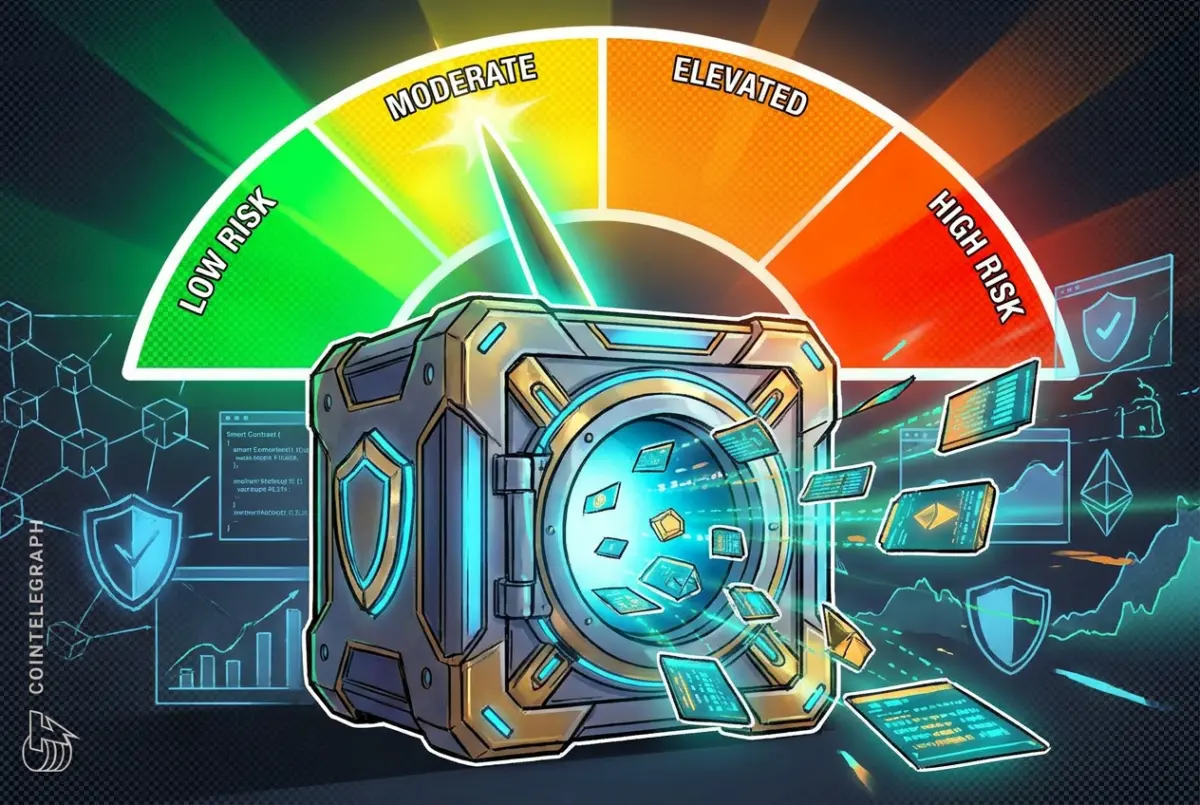
Bitcoin-focused development firm Babylon Labs has officially submitted a formal proposal aimed at enabling users to borrow stablecoins on the decentralized lending protocol Aave by leveraging native Bitcoin as collateral.
The move represents a significant potential expansion for both the Bitcoin and decentralized finance ecosystems, seeking to bridge the world’s largest cryptocurrency by market capitalization with one of the most prominent liquidity and borrowing markets in the decentralized finance sector.
Under the technical architecture outlined in the proposal, users would lock their native Bitcoin directly into dedicated vaults housed on the Bitcoin network. Rather than relying on traditional methods that move assets across different chains, users would then be able to borrow stablecoins against that locked collateral on the Aave protocol. To track and manage this relationship across different blockchain environments, a non-transferable token minted on the Ethereum blockchain would serve as the on-chain representation of the underlying Bitcoin collateral. Crucially, the actual Bitcoin itself would remain entirely secure and intact on its native blockchain, eliminating the need for traditional bridging or wrapped token mechanisms that have historically introduced technical complexities and security vulnerabilities to cross-chain asset transfers.
This latest governance milestone follows a winding path of preliminary community engagement. The Wednesday proposal directly builds upon an initial submission made by Babylon Labs on May 25, which introduced the concept to the decentralized autonomous organization governing Aave. Following that initial introduction, the community engaged in robust discussions and preliminary feedback sessions, culminating in a preliminary community vote that successfully passed on June 10, according to public statements and updates shared by Babylon Labs during their quarterly founders call.
As part of the economic terms outlined in the formal proposal, the Aave DAO would stand to capture significant financial upside from the integration. Specifically, the DAO would receive the first $500,000 in qualifying annual revenue generated by the native Bitcoin vault integration, aligning the incentives of the lending protocol with the development team behind the trustless bridging and vault technology.
The integration proposal arrives against a backdrop of existing solutions for utilizing Bitcoin within the Aave ecosystem. Currently, Aave already supports loans against tokenized forms of Bitcoin through established assets such as Wrapped Bitcoin and Coinbase Wrapped Bitcoin, commonly referred to as WBTC and cbBTC respectively. While these wrapped tokens have successfully unlocked substantial liquidity for Bitcoin holders within decentralized finance, they inherently rely on centralized or federated custodians to hold and secure the underlying physical Bitcoin. This structural reliance introduces distinct counterparty risks, as users must trust the custodian to maintain the 1-to-1 backing and security of the reserve assets. The Babylon Labs proposal seeks to bypass these trust assumptions by utilizing cryptographic and trustless vault mechanisms on the native Bitcoin network instead.
As of Thursday, the proposal remains actively situated at the Aave Request for Comment stage, commonly abbreviated as the ARFC stage. During this critical phase, the community is encouraged to provide ongoing feedback, while specialized risk service providers conduct comprehensive evaluations of the technical, smart contract, and economic risks associated with integrating native Bitcoin vaults into the lending protocol’s upcoming iterations, specifically eyeing compatibility within the framework of Aave V4.
Should the proposal successfully navigate the risk analysis and achieve broad community consensus, it will have the opportunity to advance through Aave’s structured governance pipeline. According to the official governance rules established by the Aave protocol, the next milestone would involve a formal three-day offchain Snapshot vote. This phase requires a minimum threshold of at least 320,000 AAVE-equivalent votes cast in favor of the initiative before it can officially transition to a formal onchain governance vote.
Even after clearing the Snapshot threshold, the initiative must still satisfy the stringent quorum and approval requirements mandated by formal onchain voting parameters to be fully integrated into the protocol’s smart contract architecture.