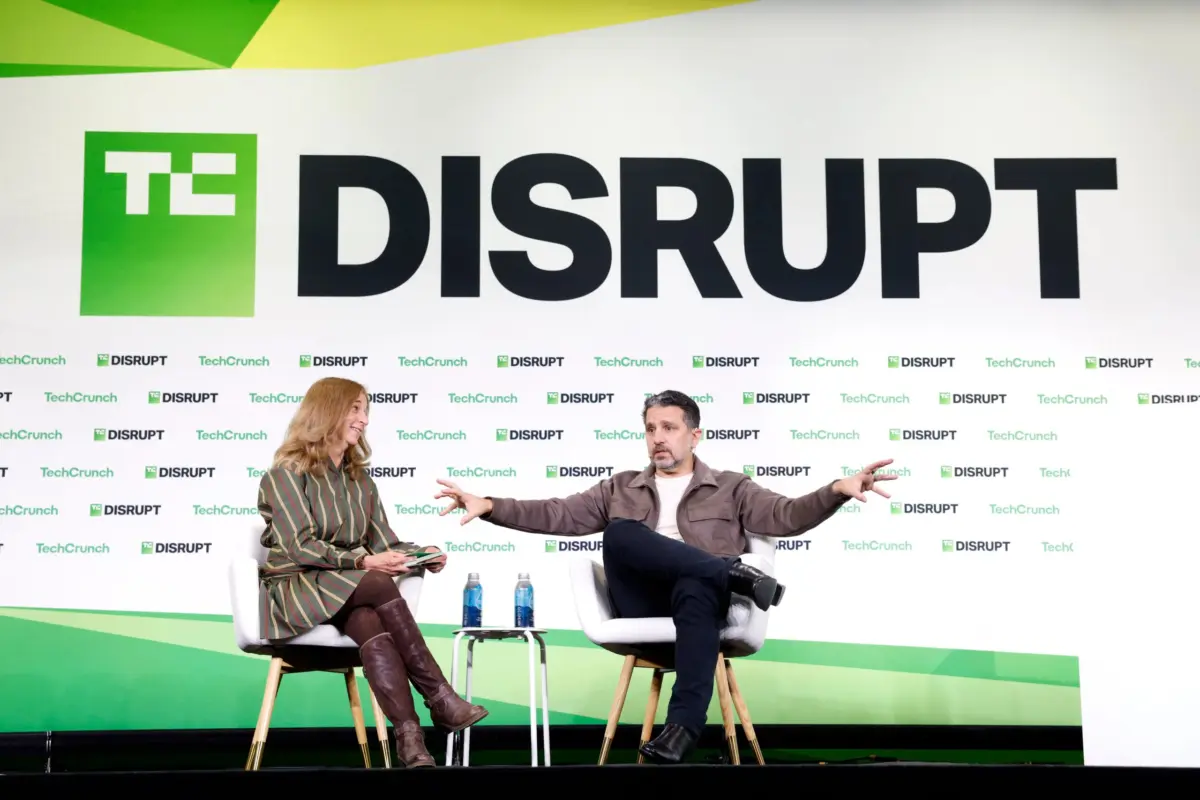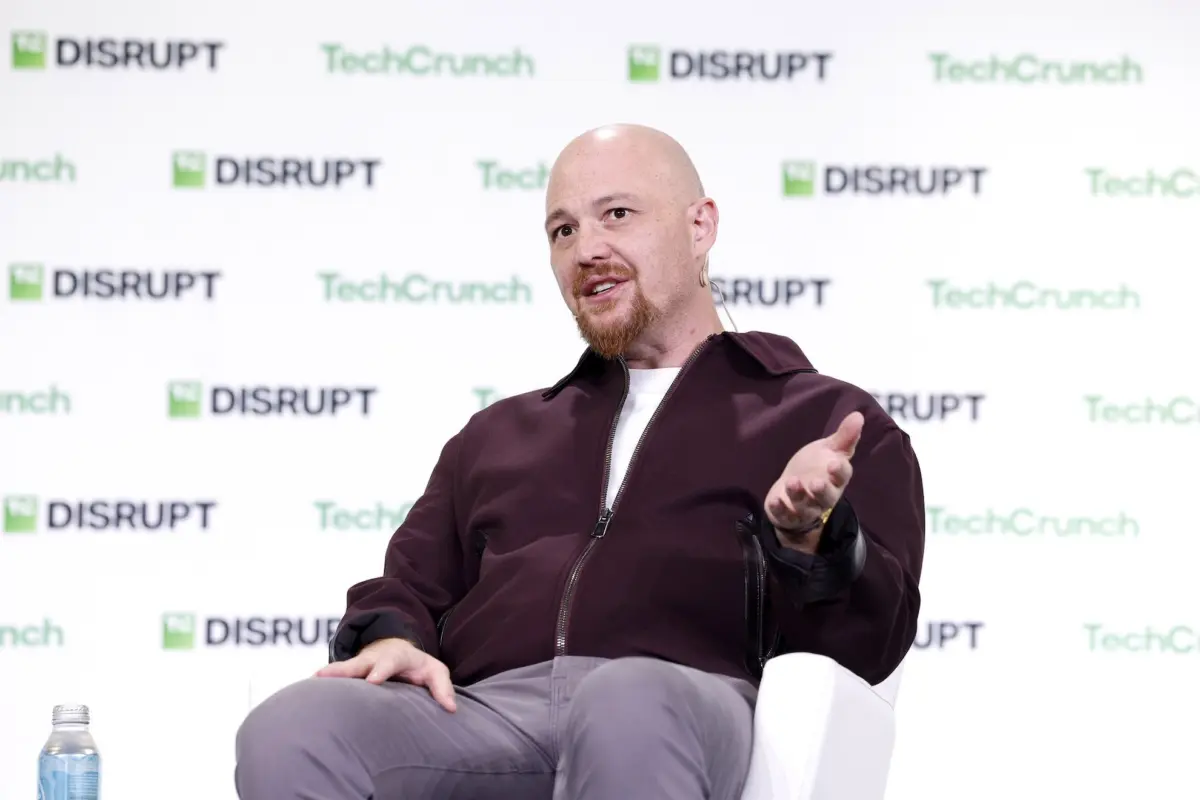
Replit, the popular AI-powered coding platform that has become a staple for startup founders and software developers worldwide, is no longer working with Anthropic, according to statements made by the company’s CEO and co-founder, Amjad Masad. Speaking onstage at the TechCrunch Disrupt event on Thursday, Masad revealed that the prominent cloud-based development platform has officially moved away from its reliance on Anthropic’s Claude models, citing a combination of cost considerations, partnership dynamics, and overall performance metrics.
The announcement sheds new light on Replit’s shifting technological foundations. While the company publicly announced a strategic partnership with OpenAI back in August, that development was initially viewed as an expansion of Replit’s multi-model approach rather than a definitive breakup with Anthropic. However, Masad’s latest remarks make it clear that the platform has consolidated its allegiances, choosing OpenAI as its primary engine for the foreseeable future.
"I think ChatGPT is better now," Masad told the audience during his appearance at TechCrunch Disrupt. He elaborated on the rigorous evaluation process the company uses, noting that Replit relies on a robust internal benchmark system to continually assess key performance metrics across different large language models. "We publish a public benchmark as well, and consistently, Sol and Astra perform better on building vibe-coded applications from scratch. It was a decision based on both cost, partnership, and performance. And for all these reasons, we just felt like they were a better partner for now."
For context, Replit operates a widely used cloud-based software development ecosystem that allows developers and casual creators alike to write, build, test, and deploy full-fledged applications directly inside their web browsers. Under its previous partnership with Anthropic, Replit leveraged the AI lab’s advanced Claude models to power core features of its platform. Industry observers and financial reports have widely credited that collaboration with helping Replit scale its business operations and grow its overall revenue exponentially over the past year.
Despite Masad’s definitive on-stage declarations, the current operational status of the partnership has generated some immediate backstage friction and conflicting accounts. Insiders who are closely familiar with the commercial relationship between Anthropic and Replit pushed back against the narrative of an outright, immediate severance. One source with direct knowledge of the situation, who requested anonymity because they were not authorized to speak publicly, maintained that the partnership was still active in some capacity.
Adding to the complexity, tangible digital footprints indicate that Replit was actively utilizing Anthropic technology in its production environments as recently as September. A technical blog post published by Replit in September explicitly cites Anthropic’s Claude Fable 5 and Claude Fable 5.1 as active models running within the production environment of Replit Agent, the company’s autonomous coding assistant. In response to the conflicting accounts, TechCrunch reached out to Replit for official clarification regarding the exact timeline and current operational scope of the Anthropic integration.
Beyond the shifting landscape of its underlying AI providers, Masad used his time onstage at TechCrunch Disrupt to provide a broader financial and strategic update on Replit’s impressive commercial growth, highlighting a substantial pivot toward enterprise-level adoption. While the CEO declined to disclose specific Annual Recurring Revenue figures, he pointed to a dramatic evolution in the composition of the company’s customer base over the past year.
"We’re not sharing ARR numbers just yet, but in terms of growth, like, I would say, enterprise was like 2% of revenue last year," Masad shared with the Disrupt audience. "This year, I would say like 15% of our revenue is enterprise contracts, and more than 50% of our revenue is B2B."
This transition toward business-to-business and enterprise contracts underscores Replit’s maturation from a favored tool of indie hackers and hobbyist programmers into a serious commercial platform relied upon by corporate engineering teams. As the platform scales its enterprise offerings, discussions surrounding safety, security, and reliable software deployment environments have taken center stage in Masad’s strategic vision.
Addressing the broader industry conversation around AI safety, governance, and autonomous agents, Masad drew a compelling parallel between human working conditions and the computational environments required for artificial intelligence to thrive securely.
"In the same way that us humans need a certain environment to work — you need a nice office, maybe nice good food in the office, air-conditioning, computer — agents need a habitat for them to exist and do good work," Masad explained. He emphasized that building this digital habitat requires a comprehensive suite of foundational infrastructure. "So that habitat has good orchestration, good error recovery, good safety and security and sandboxing, good networking, good identity and authorization. And once you figure all of that out, then you can deploy AI safely."