For decades, an unwritten code of ethics governed the high-stakes world of venture capital: a firm does not back two companies that compete head-on. This principle of exclusivity served as a cornerstone of trust between founders and their financial backers, assuring entrepreneurs that the venture capitalists sitting on their boards were fully aligned with their success and weren’t quietly hedging their bets with a rival down the street.
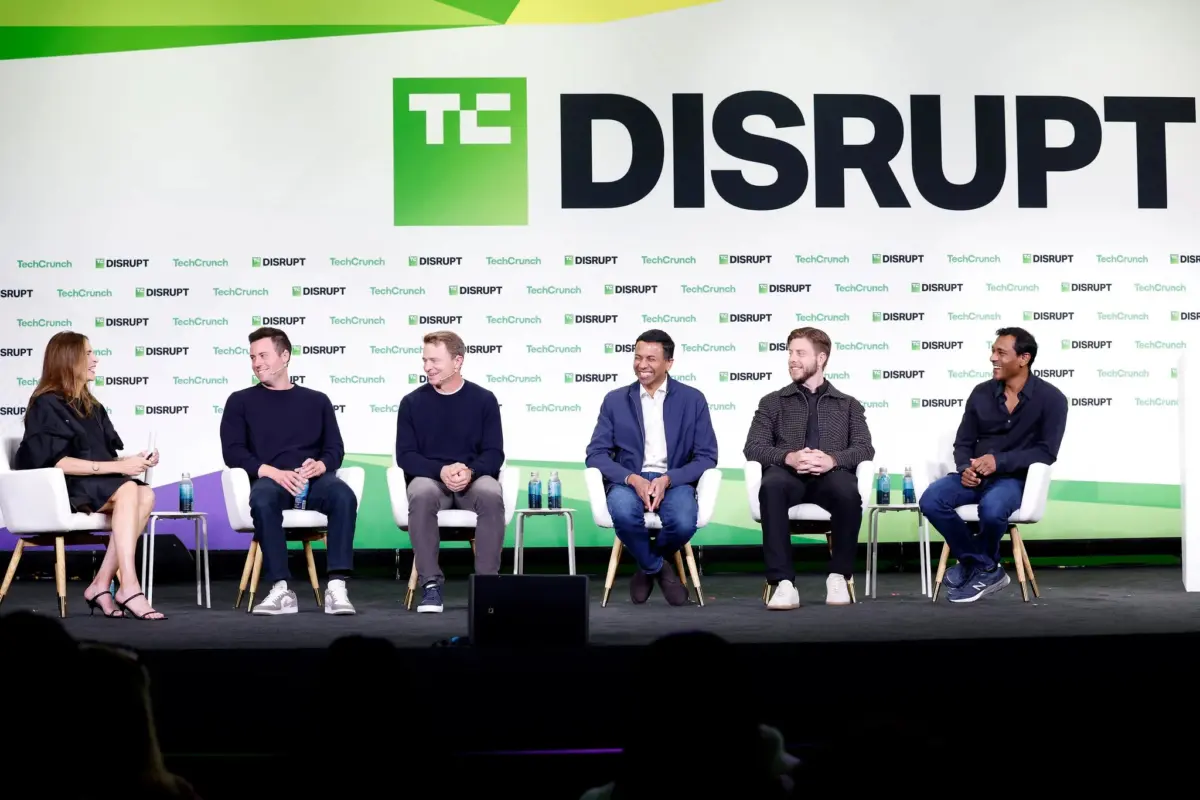
However, speaking at TechCrunch Disrupt, the partners of the legendary venture firm Benchmark readily acknowledged that the unprecedented artificial intelligence boom is placing an intolerable strain on that rule.
The pressure on this traditional boundary has been building for some time, pushed to the brink by the sheer scale and velocity of the current tech landscape. The towering AI labs OpenAI and Anthropic already share dozens of the same investors, illustrating how difficult it has become for major funds to sit out generational technological shifts.
The friction spilled over into public view at the end of September. Factory, a startup that builds an AI agent to write software, announced it was firing board observer and adviser Chris Degnan for what it described as "unethical conduct involving Cognition," its direct rival and the maker of the Devin coding agent. Factory’s CEO alleged that Degnan had discussed a job opportunity at Cognition while simultaneously privy to sensitive, board-level discussions at Factory.
Degnan quickly fired back, stating that he had already resigned from his position and denying that he had shared any confidential information. Shortly after the public dispute, he announced he was officially joining Cognition as its chief revenue officer. The drama escalated further when powerhouse investor Vinod Khosla publicly sided with Degnan on social media platform X, fiercely blasting Factory’s CEO and dismissing the startup as "a struggling second tier competitor." Notably, Khosla Ventures is an investor in both warring companies, highlighting the messy reality of multi-portfolio overlap.
Even Benchmark—a firm whose sterling reputation rests on cultivating long-term, 10-to-15-year partnerships with founders at the earliest possible stage—admitted that the old rule can no longer be counted on blindly. When asked at Disrupt whether the traditional pact against backing rivals still holds as portfolio companies naturally expand into each other’s territory, the Benchmark partners described these mounting conflicts as a matter of commercial necessity rather than deliberate preference.
"The harsh reality of this world is every company is evolving very quickly," said Eric Vishria, a general partner at Benchmark. Companies constantly pivot and alter their trajectories as markets shift, he explained, noting that "you are going to get conflicts, and that’s just the reality of the current dynamic."
Vishria emphasized that Benchmark remains deeply committed to each individual founder and maintains strict confidentiality regarding what it learns inside boardrooms. He also downplayed the extent to which a venture capitalist could realistically pass along proprietary technical knowledge, noting bluntly, "We are not product or technology experts."
Seemingly referencing the high-profile dispute between Factory and Cognition, Vishria noted that Benchmark has been fortunate so far to steer clear of "that type of insane direct conflict." He maintained that exclusivity remains "really important" at the very early stage that Benchmark traditionally favors, but conceded that the ground is shifting beneath the industry. "Things are evolving. There’s no doubt about that," he said.
Fellow Benchmark partner Chetan Puttagunta pointed to the economics of artificial intelligence as the primary accelerator of the problem. As the cost of building software "effectively goes to zero," he observed, modern founders are exhibiting unprecedented levels of ambition. Because these entrepreneurs can now easily envision a vast technological "surface area" and want to claim all of it for themselves, Puttagunta warned that overlapping ambitions are inevitable. "It’s probably going to happen more, where you start to run into each other," he said.
Puttagunta drew a careful distinction between funding a direct competitor right out of the gate, which he called "an easy answer" because a firm simply declines to do it, versus a portfolio company that organically expands into another’s turf over a period of years as it grows and redefines its product roadmap. "That happens," he noted simply.
For Peter Fenton, another veteran partner at Benchmark, the issue represents the ultimate corporate "kryptonite" and the firm’s most difficult ongoing challenge. Fenton described a broad spectrum of how financial investors relate to the companies in their portfolios. At one end of the spectrum is the co-founder, an individual who would never dream of working on a competing enterprise. At the other end is the public-market stock picker, who can comfortably own shares in several direct rivals simultaneously because their role is merely allocating capital rather than actively shaping the strategic direction of any single business.
Benchmark, Fenton explained, sits much closer to the co-founder end of that spectrum, treating transparency as a golden rule. "There shouldn’t be the surprise after the fact," he said, adding that if a conflict does eventually emerge, a founder should never feel shortchanged or deceived by their backers.
While Benchmark is not officially declaring the traditional exclusivity pact dead, its partners’ candid admissions signal a profound cultural shift in venture capital. When a firm that built its foundational name on unwavering loyalty and early-stage dedication openly concedes that overlapping conflicts are an inevitable part of the modern landscape, founders across the tech ecosystem will rightly find themselves wondering just how many other investors are quietly rewriting the rules of engagement.