Neo co-founder Da Hongfei has proposed a sweeping overhaul of the Neo Foundation after years of deadlock with fellow co-founder Erik Zhang left one of the cryptocurrency industry’s oldest and most established networks effectively paralyzed.
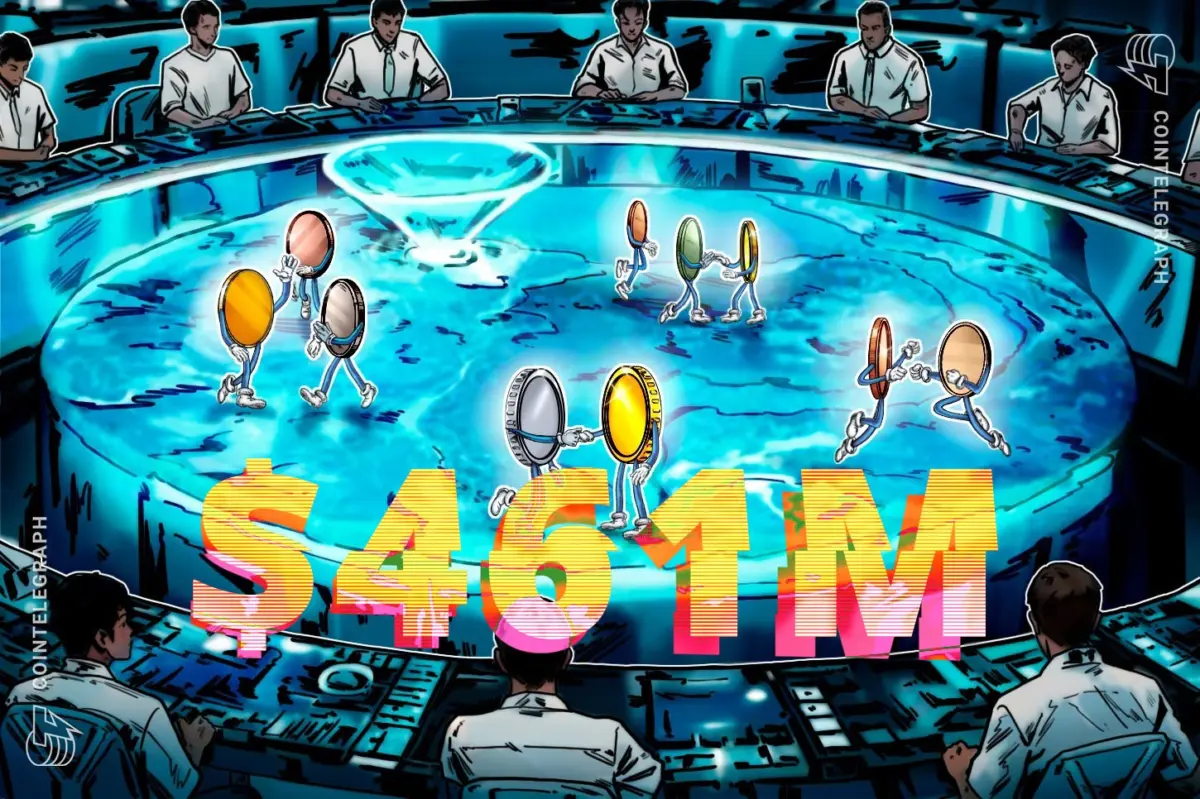
The radical restructuring plan follows Neo’s first public financial disclosure since 2019. That long-awaited report revealed that approximately $461 million in total assets are held collectively across the Neo Foundation and Neo Global Development as of the end of 2025.
The newly proposed restructuring aims to dismantle what Hongfei described as informal, founder-driven governance. Proponents of the plan argue that a successful transition could serve as an important test case for how aging, legacy blockchain networks manage large treasuries and successfully pivot away from traditional founder control.
However, the path forward remains contentious. Zhang has pushed back strongly against key elements of the proposal, exposing deeper divisions at the top tier of the project and intensifying scrutiny from community members, developers, and investors alike.
In an interview with Cointelegraph, Hongfei explained that the core of the restructuring initiative involves a decisive break with the founder-centric model that defined Neo’s first decade of operation. Under the proposed terms, the foundation would be redomiciled to the Cayman Islands. Furthermore, the plan calls for the creation of a five-member board alongside an independent Supervisor equipped with the legal authority to block any breaches of corporate bylaws. Additionally, the proposal enforces a strict 24-month ban preventing either founder from sitting on the board or the supervisory body.
This high-stakes internal conflict has quickly transformed into a broader case study within the digital asset ecosystem. It highlights the systemic struggles older blockchain networks face when attempting to move past founder-centric governance models, particularly after enduring years of informal operational control and limited public financial transparency.
Returning NEO Tokens to the Community
According to the recent financial disclosure, the Neo Foundation and Neo Global Development currently control roughly 41 million NEO tokens, which accounts for approximately 31.3% of the supply, primarily managed under single-signature control. Hongfei’s proposed "Giveback II" plan aims to alter this dynamic dramatically by returning 49.5 million reserved NEO tokens to the community.
The initiative also seeks to consolidate investments currently managed by Neo Global Development back into the foundation. Under the new framework, the foundation would operate under mandatory annual financial reports, onchain attestations for large asset transfers, and fully disclosed multi-signature wallets for Bitcoin, Ether, stablecoins, and other liquid holdings.
Hongfei noted that these changes are specifically designed to eliminate the historical "trust me" approach to treasury management and asset custody. He pointed to Ethereum creator Vitalik Buterin’s influence-through-research model as a healthier standard that modern blockchain founders should emulate.

Despite these assurances, Zhang remains entirely unconvinced by the restructuring roadmap. He has argued publicly that the proposal grounds Neo’s legitimacy in offchain legal structures while still leaving room for opaque third-party attestations instead of directly verifiable, transparent onchain addresses.
Furthermore, Zhang criticized the provision excluding him from the board for 24 months, asserting that it strips Neo of essential technical oversight. He characterized the Cayman Islands "reset" as a cosmetic shell change that ultimately dodges historical accountability and leaves unresolved transparency issues unaddressed.
Governance Woes Across Decentralized Finance
The internal turmoil at Neo arrives as governance disputes and perceived insider advantages continue to dominate debates across the broader decentralized finance landscape. Similar friction points are visible across multiple major ecosystems. For instance, Aave’s long-running dispute between the founder-aligned Aave Chan Initiative and various other stakeholders has raised intense questions regarding how much power entrenched service providers should wield inside decentralized autonomous organizations.
Similarly, World Liberty Financial, a project linked to the family of Donald Trump, drew scathing criticism from various stakeholders, including Tron founder Justin Sun. The backlash centered on a proposed new unlock schedule for the project’s WLFI governance token, as well as discretionary control over underlying treasury assets.
Neo’s Bet to Revive Network Relevance
Behind Neo’s high-profile governance reset lies a desperate and calculated attempt to carve out a credible new thesis in a competitive market where user activity has largely consolidated onto Ethereum, a handful of layer-2 networks, Solana, and a select few alternative chains.
Hongfei candidly conceded that Neo’s current user base is "not where it was in the 2017 to 2021 cycle," noting that current metrics "reflect a project that has seen better days." He added that today’s users are primarily concentrated among long-term holders and close-knit community groups. Meanwhile, the vibrant Chinese market that once fueled the platform’s early activity has shrunk significantly under tightening regulatory bans from Beijing. Compounding these challenges, Neo notably missed out on the explosive growth of "DeFi Summer" due to delays in shipping its long-awaited N3 upgrade.
Looking forward, Hongfei argues that the next decade of onchain economic activity will be driven less by human users and increasingly by autonomous artificial intelligence agents executing transactions on their behalf. To capture this emerging paradigm, the project is positioning Neo X as an "agent-first" blockchain explicitly optimized for this technological shift.
Ultimately, the true test for both Neo’s governance reboot and its artificial intelligence thesis will depend on whether the network can successfully complete its restructuring, attract a meaningful pipeline of agent-native projects over the next 12 to 24 months, and navigate the leadership divide that currently defines its future.