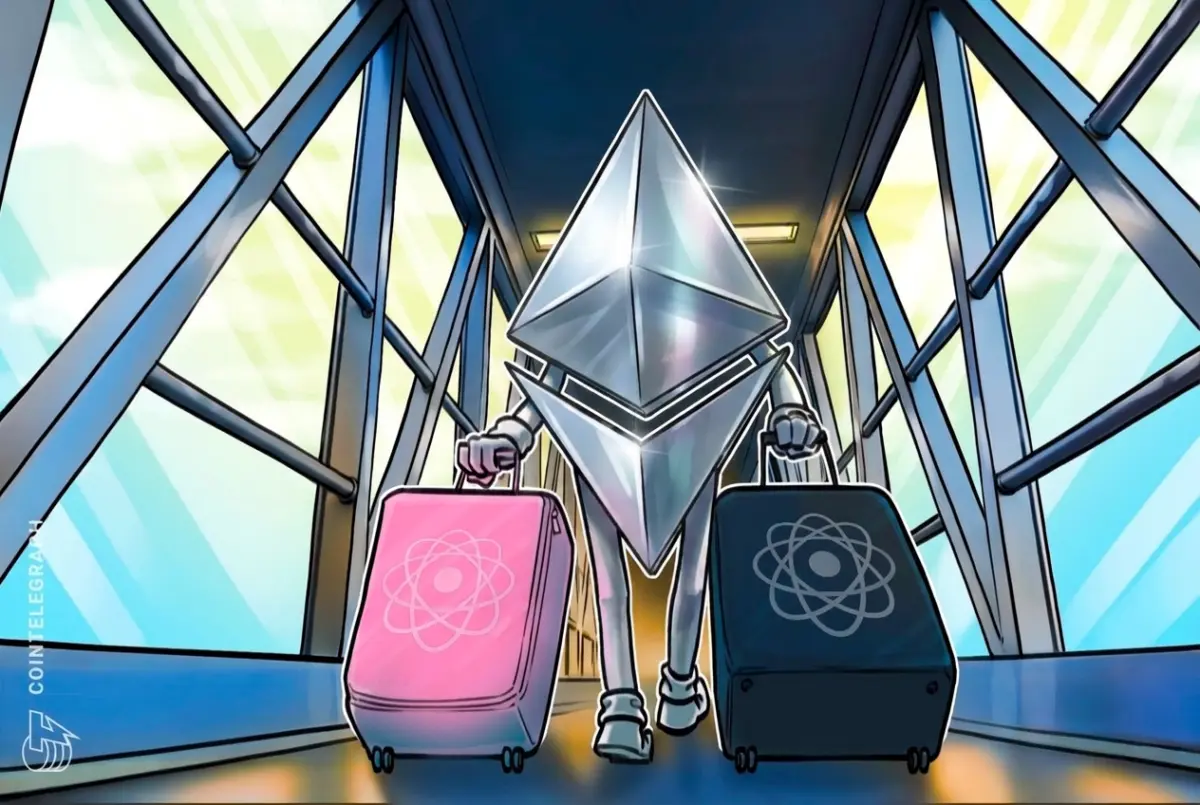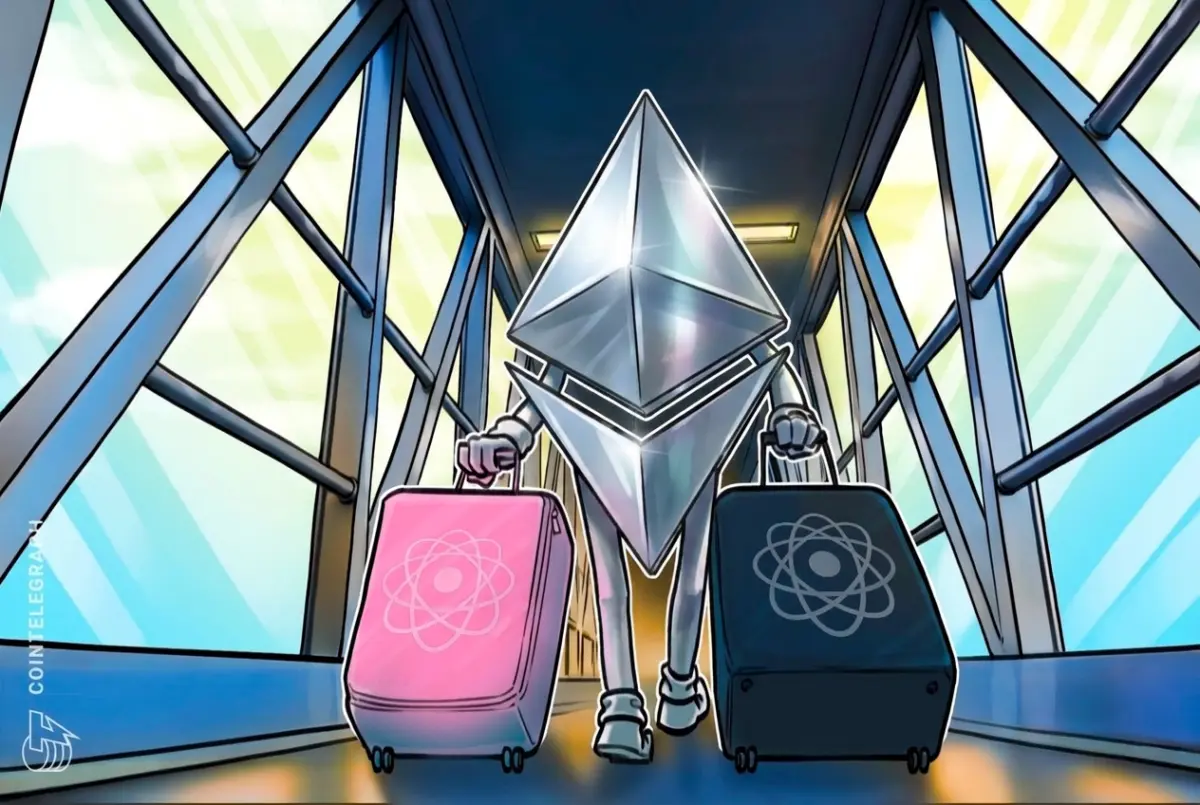
Ethereum Foundation researcher Justin Drake has set an ambitious target of December 2028 to complete Ethereum’s comprehensive post-quantum and post-AI transition, pulling the anticipated milestone forward by a full year compared to the foundation’s previously announced roadmap.
Speaking at Devcon 8 in Mumbai on Tuesday, Drake outlined the accelerated schedule to an audience of developers, researchers, and industry observers. He emphasized that the broader community’s ambition is to finalize these critical architectural shifts well ahead of older projections. "Our hope is that by December 2028 we’ll be able to wrap up the full post-quantum and post-AI transition," Drake stated during his presentation, adding that developers currently face a compressed 24-month window to successfully design, test, and deliver three additional network upgrades to secure the blockchain for future technological paradigms.
The updated timeline arrives on the heels of the Ethereum Foundation’s September roadmap release, which had formally established December 2029 as the baseline target deadline for achieving full quantum resistance across Ethereum’s core execution, consensus, and data layers. While Drake’s remarks point toward a more aggressive deployment schedule, they do not yet formally replace the foundation’s existing roadmap. That official framework remains scheduled for a formal reassessment and potential revision in January 2027.
The dialogue surrounding Ethereum’s cryptographic future has been actively evolving over recent months. Back in August, Drake outlined concrete plans for introducing production-ready leanVM technology in 2027. According to those earlier projections, the successful integration of leanVM would pave the way for rolling out post-quantum cryptographic defenses across Ethereum’s three primary layers throughout 2028.
However, this accelerated push toward future-proofing the network has also drawn sharp scrutiny and competitive pressure from other major players within the broader blockchain ecosystem. The urgency of addressing quantum vulnerabilities—stemming from the theoretical capability of advanced quantum computers to break traditional asymmetric encryption algorithms like ECDSA used widely in cryptocurrency networks—has caused friction regarding timelines.
In October, the Starknet community formally voted in favor of backing extensive research into transitioning the network into an independent, post-quantum layer-1 blockchain. This move underscored a growing sentiment among competing scalability solutions that legacy networks may need to move even faster to mitigate emerging security risks. StarkWare CEO Eli Ben-Sasson previously expressed skepticism regarding Ethereum’s pace, telling industry publications that the foundation’s 2029 target was simply "too late" and warning that complex technological roadmaps carry an inherent risk of running behind schedule.
The broader imperative to secure Ethereum’s infrastructure against evolving threats remains a central focus for core developers. As the community balances the immediate demands of scaling, network upgrades, and client performance—such as recent discussions surrounding testnet deployment adjustments for security reasons—the overarching transition toward post-quantum and post-AI readiness stands as one of the most critical long-term engineering challenges in the history of decentralized finance.
As developers prepare for the upcoming roadmap reassessment in early 2027, the debate between maintaining rigorous, cautious development cycles and aggressively rushing to outpace quantum threats will undoubtedly shape the trajectory of the world’s leading smart contract platform.