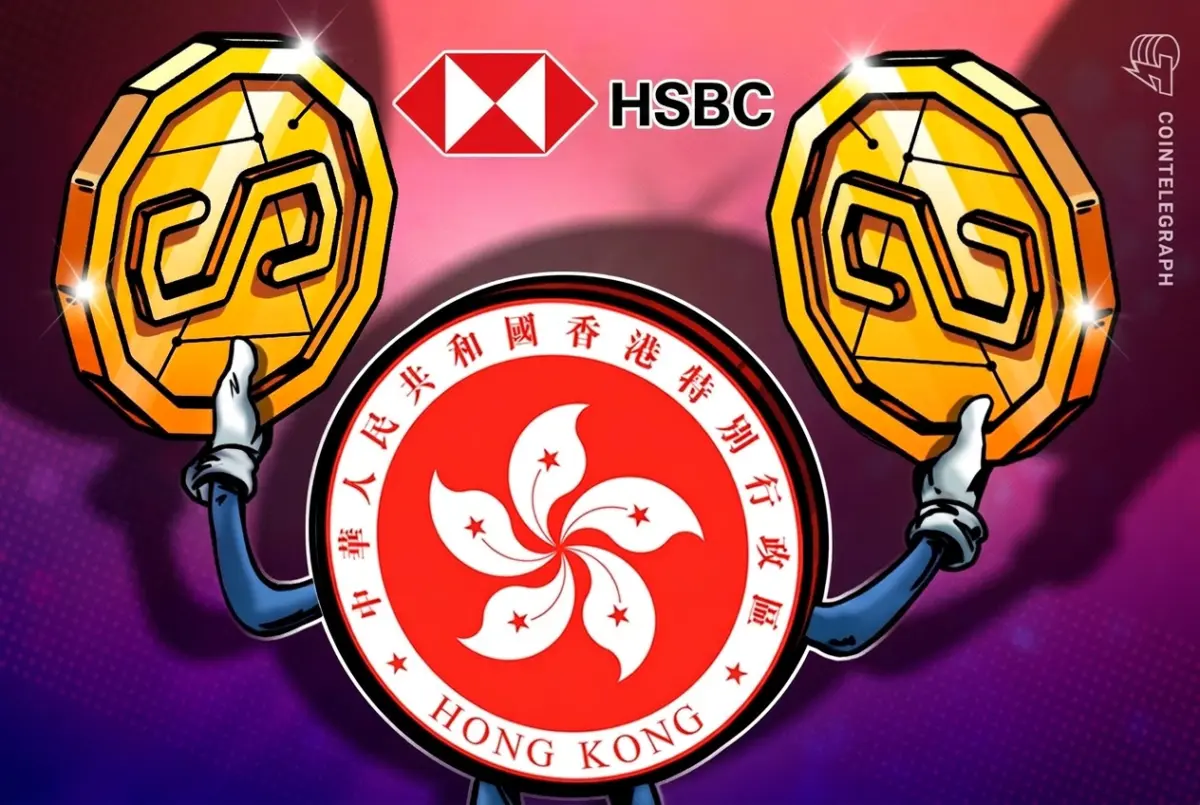
Banking giant HSBC has officially entered the digital currency arena with the launch of its first Hong Kong-dollar stablecoin, RedCoin (RCHKD), marking a major milestone for retail digital payments and institutional blockchain adoption in the region. The newly introduced stablecoin is designed for seamless peer-to-peer transfers and everyday merchant payments, utilizing HSBC’s widely popular PayMe application as its initial consumer gateway.
According to announcements from the bank, more than 3.3 million PayMe users across Hong Kong will be empowered to activate dedicated stablecoin wallets directly within the mobile application in the coming days. RedCoin has been architected to maintain a strict one-for-one peg with the Hong Kong dollar, ensuring reliable stability and predictable value for everyday consumers. To guarantee robust consumer protection and asset security, HSBC Digital Assets Custody has been appointed to provide comprehensive safekeeping services for the underlying reserves backing the stablecoin.
The rollout of RedCoin to millions of retail consumers represents the latest progression in Hong Kong’s rapidly evolving regulated digital asset landscape. This consumer-facing deployment follows closely on the heels of Anchorpoint’s August rollout of its own HKDAP stablecoin through HashKey Exchange. While Anchorpoint’s initial deployment strategically targeted eligible institutions and professional investors, HSBC’s integration into PayMe brings stablecoin technology directly into the hands of the general public at an unprecedented scale.
HSBC’s entry into the stablecoin market stems from regulatory milestones achieved earlier this year. In April, HSBC successfully secured its official stablecoin issuer license alongside Anchorpoint Financial—a prominent joint venture backed by Standard Chartered, Animoca Brands, and HKT. These two entities earned the distinction of becoming the very first corporate groups to be officially approved under Hong Kong’s comprehensive and rigorous stablecoin regulatory framework, setting a high standard for compliance, risk management, and consumer safety in the jurisdiction.
Building upon the initial PayMe integration, HSBC has outlined an ambitious roadmap for the broader expansion of RedCoin across both its consumer banking and corporate divisions. The banking institution confirmed that it plans to introduce RedCoin wallets to the flagship HSBC HK Mobile Banking App later this year. This upcoming integration is designed to unlock advanced financial use cases for everyday banking customers, most notably the ability to seamlessly subscribe to tokenized investment products. Among these planned offerings is a specialized new share class of the bank’s existing Hong Kong dollar money market fund, signaling a significant bridge between traditional mutual funds and blockchain-based tokenization.

Beyond retail banking and investment products, HSBC is actively looking toward wholesale corporate and institutional applications for RedCoin. As the institutional landscape shifts toward distributed ledger technology for treasury management, cross-border settlements, and liquidity optimization, the bank intends to position its stablecoin framework as a versatile enterprise tool. This dual-track strategy—targeting both grassroots retail adoption via PayMe and high-value institutional applications—underscores HSBC’s broader vision of embedding blockchain infrastructure into the core of traditional financial services.
The broader regional context highlights a surging interest in digital currencies across Asia, with various financial hubs racing to establish compliant cross-border and domestic stablecoin networks. As regulatory frameworks mature in Hong Kong and neighboring jurisdictions, the successful deployment of regulated stablecoins like RedCoin is expected to reshape how individuals move money, invest in financial products, and interact with the modern digital economy.