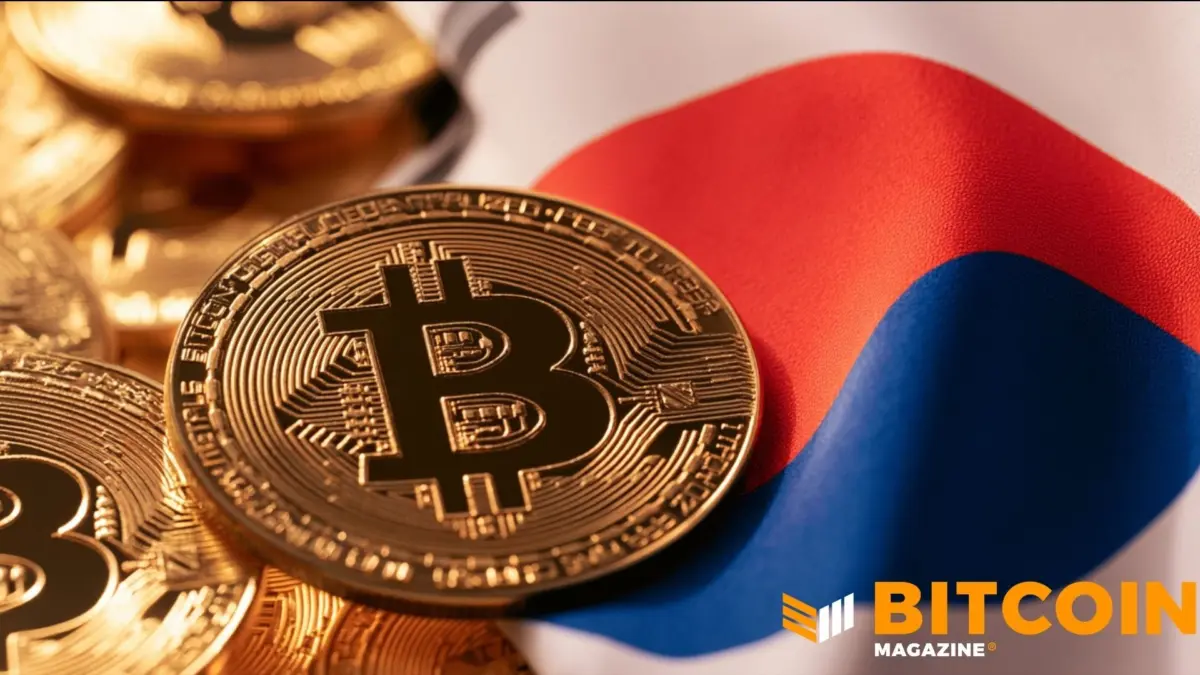
SEOUL — South Korea’s central bank is preparing to tighten its grip on digital assets. The Bank of Korea (BOK) plans to draft an amendment to the Foreign Exchange Transactions Act alongside the government before the end of the year. The proposed legislation aims to formally regulate stablecoins as a designated means of payment, according to a written submission presented to the National Assembly during its annual audit and initially reported by local media outlet Digital Asset.
The central bank’s comprehensive report, submitted on October 22 as a follow-up to last year’s parliamentary audit, outlines ongoing consultations with government authorities regarding new measures to govern cross-border transactions involving virtual assets. As part of this initiative, the BOK is actively developing an enhanced monitoring system rooted in traditional foreign exchange network reporting. Concurrently, it intends to finalize the legislative amendment with the government before the calendar year concludes, ensuring stablecoins are strictly captured under payment regulations.
It is important to note that this announcement represents a legislative intent rather than a finalized bill. At this stage, no official draft text has been published, no specific token has been singled out, and no definitive passage date has been established. Within the context of South Korean foreign exchange law, a "means of payment" is a legally defined term referring to any financial instrument whose cross-border movement must be formally reported to authorities.
Under this interpretation, the upcoming amendment would subject dollar-pegged stablecoins to the same rigorous oversight and controls applied to a standard international wire transfer directed to New York. It does not mean stablecoins are being granted legal tender status for everyday retail purchases at a convenience store in Seoul.
The BOK highlighted several structural vulnerabilities that currently facilitate illicit financial flows, pointing specifically to alternative settlement methods operating outside the traditional banking system, privacy-enhancing transaction mixers, and existing regulatory gaps surrounding personal cryptocurrency wallets. Cryptocurrency holders in South Korea who rely on self-custody solutions should take careful note of these developments. The country’s stringent capital controls are the foundational reason the famous "kimchi premium"—the price discrepancy of Bitcoin on domestic exchanges compared to global markets—continues to exist. Implementing a tighter foreign exchange net around crypto activity would serve to reinforce and entrench these existing capital controls rather than ease them.
This ongoing foreign exchange work is operating in parallel with the broader Digital Asset Basic Act. That upcoming framework, which focuses on licensing requirements and stablecoin issuance rules, was previously flagged alongside discussions regarding potential spot bitcoin ETF approvals within the government’s overarching 2026 economic growth strategy.
Financial Services Commission Chairman Lee Eog-weon addressed lawmakers on Thursday, stating that inter-agency consultations regarding the framework are currently in their final stages and that the corresponding bill will be introduced to the legislature as expeditiously as possible, according to a report by Bloomingbit. The BOK has indicated that it will continue working closely with relevant government ministries to limit and mitigate transactions that exploit regulatory loopholes until the comprehensive legislation is formally enacted.
South Korea’s Crypto Tax Discussions
These regulatory efforts are unfolding against a tight timeline connected to the nation’s long-delayed fiscal policy for digital assets. South Korea’s planned cryptocurrency income tax is currently scheduled to take effect on January 1, 2027, according to reporting by The Block, following three successive postponements by lawmakers. The decision to move forward with taxation has sparked considerable debate, with politicians questioning the logic of taxing a nascent and evolving market before comprehensive laws defining it have even been passed.
Addressing these concerns during Thursday’s parliamentary session, Financial Services Commission Chairman Lee stated that the implementation of the tax should "take various circumstances into full consideration," as reported by Yonhap. Meanwhile, Democratic Party leader Kim Min-seok called for a "thorough final review" of the tax schedule, marking a notable shift in tone from a political faction that had previously insisted on adhering strictly to the 2027 enforcement date.
Public pushback has also intensified through official channels. Two separate petitions—one demanding the complete repeal of the crypto tax and another urging a two-year deferral—have each surpassed the threshold of 50,000 signatures, a milestone that formally mandates a legislative review by the National Assembly.
Despite the mounting political debate and public petitions, the administrative machinery within the tax administration continues to move forward. The National Tax Service has shown no indication of altering its schedule, with plans to finalize its draft tax notice by October 30, as reported by Digital Asset.